
Improving vaccination coverage rates in adult populations: A handbook for health managers and policymakers
12 March 2026

Improving adult vaccination coverage has become an urgent priority for European health systems. Older adults continue to face high risks from vaccine preventable diseases, yet coverage rates for influenza, pneumococcal disease and other respiratory infections remain suboptimal in many Member States. To support health managers and policymakers working to close these gaps, EHMA has developed the handbook, Strategies for improving vaccination coverage rates in adult populations.
The Handbook brings together evidence and real-world insights from European countries that have successfully improved adult vaccination uptake. The 2026 edition includes detailed case studies on pharmacy-based vaccination in France, national reimbursement reform in Austria, digital reminder systems in Denmark, and EHMA’s Call to Action for a European pneumococcal target. Each case provides practical lessons and adaptable approaches that can help strengthen national or regional immunisation programmes.
France: expanding access through pharmacy-based vaccination
France offers a strong example of how expanding vaccination delivery beyond clinical settings can increase uptake. What began as a pilot for influenza vaccination in 2017 grew into a permanent system by 2023 that allows trained pharmacists to prescribe and administer all adult vaccines.
This change has improved access for older adults and people with chronic conditions, especially in rural areas. France’s experience highlights the value of simple vaccination schedules, clear operating procedures and shared records between pharmacies and GPs. A phased implementation approach also helped maintain quality and build confidence across the system.
Austria: strengthening national programmes through reimbursement
Austria’s journey shows how policy change can unlock progress in adult vaccination. Although pneumococcal vaccination had been recommended for adults aged 60 and older since 2018, lack of reimbursement kept coverage low. Persistent advocacy from scientific societies, patient organisations and regional health leaders helped push the issue forward.
In 2025, Austria approved funding for free pneumococcal and herpes zoster vaccination for adults aged 60 and above, as well as defined risk groups. This decision aligns Austria with Europe’s leading adult immunisation programmes and demonstrates how evidence, partnerships and well-timed advocacy can influence national policy. It also shows how digital tools such as the e-Impfpass registry can support accountability and transparent monitoring.
Denmark: using digital reminders to support timely vaccination
Denmark has built one of the most effective digital reminder systems in Europe by linking the national immunisation registry with the secure e-Boks/DK Post digital mailbox. Starting in 2018, adults began receiving personalised electronic reminders based on their age and vaccination history.
Large-scale randomised controlled trials demonstrated that these reminders increase influenza vaccination coverage, especially for high-risk adults with chronic conditions. Clear messaging, simple calls to action and alternative channels for digitally exempt citizens played a key role. During 2020–2023, pneumococcal vaccination coverage in adults aged 65+ rose from almost zero to around 75%, with the digital reminder programme likely contributing to this progress.
EHMA’s Call to Action: setting shared European goals
To complement national efforts, EHMA launched a Call to Action in 2025 urging the EU to adopt a 75% pneumococcal vaccination target for adults aged 65 and older. The Call draws on the precedent of the 2009 EU influenza target and aligns with European commitments on healthy ageing. It provides a shared benchmark for Member States and supports advocacy efforts aimed at improving access and harmonising strategies.
Improving adult vaccination requires coordinated action across primary care, public health, digital services and policy. The EHMA Handbook offers practical tools that can help health managers design effective strategies, learn from successful models and strengthen national immunisation programmes.
EHMA invites policymakers, managers and health professionals to use the Handbook, share it within their networks and apply its lessons to support healthier ageing across Europe.
Recent News
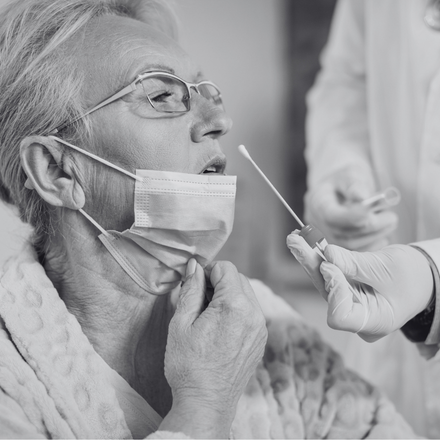
The invisible epidemic: why European health systems are missing two silent killers of older adults

Managing for impact: the role of providers’ associations in shaping the future of healthcare
What our Members say
I have been active in EHMA since the first years of the '90s and I have seen its evolution from a small association of members interested in sharing knowledge on health management practices to the current status of reference and advisory key player for EU, health systems and organisations, stakeholders associations, industry and universities. EHMA is now a unique knowledge hub, policy advisor, community of practice and network of best in class organisations involved in health policy and management. A place where health managers can build their competences, policy-makers and stakeholder associations envision how to implement and sustain change through health management, industry leaders understand how to engage more effectively with health organisations and systems. The right place to nurture and grow health management capabilities and capacity for every stakeholder of health systems.
Prof Federico Lega, University of Milan, Italy
Health management has a crucial function in shaping public health and health system challenges. The Medical University of Varna, Bulgaria had success in collaborating with EHMA on EU-funded projects that has resourced us to create new health management competencies for the future workforce. In addition to all classical definitions, health management is a science dealing with individuals, groups, and society at large. It is an art contributing to the beauty of our lives and an interactive communication process at all levels of institutions and human energy. I have also had the pleasure to chair the South Eastern European Special Interest Group which gives members a space to discuss and tools to address how health systems are managed in our regions.
Prof Todorka Kostadinova, Medical University of Varna, Bulgaria
I enjoy the high level of interaction and engagement in EHMA’s activities, in particular during the annual conference where the panel discussions are rich and well prepared. As a hospital manager and professor of health management, EHMA motivates and inspires me to be creative. You go back home feeling energised from seeing old friends and making new connections, as well as being convinced of serving as EHMA’s ambassador. It’s a strong feeling of interdisciplinary engagement, but it also feels like being part of family-like community.
Prof Sandra C. Buttigieg, MD, University of Malta, Malta
Health workforce has become more essential in operating, managing and maintaining health systems lately, particularly in crisis and emergency situations. European healthcare professions and the workforce need to be high on the agenda of managers and decision makers. The Health Services Management Training Centre, Semmelweis University in Hungary is a longstanding EHMA member, because it connects us with collaborators and experts, with whom we can have complex debates, from whom we can learn and at the end find solutions in various challenging fields of healthcare management.
Dr Eszter Kovács, Health Services Management Training Centre, Semmelweis University, Hungary
As a hospital administrator and health management professor, I see on a daily basis that the healthcare challenges require talented and skilled managers to transform it. the EHMA membership has been beneficial to bring healthcare management research and education to the demanding healthcare services world, promoting healthcare management competencies and knowledge creation.
Dr Alexandre Lourenco, APAH - Association of Portuguese Hospital Managers, Portugal
Many healthcare systems in Europe and beyond are facing similar challenges which require innovative and creative solutions. EHMA’s annual conference, webinars, Programme Directors’ group and other activities and resources provide incredible opportunities for networking, connecting and sharing experiences. A distinct feature of EHMA is the diversity of members with representation from many countries, sectors and different communities of practice – academic, policy-makers, practitioners, managers, leaders and students. The annual conference is a highlight in the calendar year, offering a friendly, fun and learningful environment for emerging and established members to engage, collaborate and meet up with old and new friends. I am proud to be a member of the EHMA Board.
Prof Ann Mahon, University of Manchester, UK
Society evolution, pandemics and ageing modify health needs. So, health policies and services are to change dramatically. EHMA, through webinars, workshops and annual conference provides an excellent insight to a professional changing world, favouring closeness to management innovation and the protagonists of these changes. As a primary care services’ manager, participating in EHMA activities is really worth it and allows to involve oneself in the innovation processes.
Antoni Peris-Grao, MD, Consorci Castelldefels Agents de Salut (CASAP), Spain